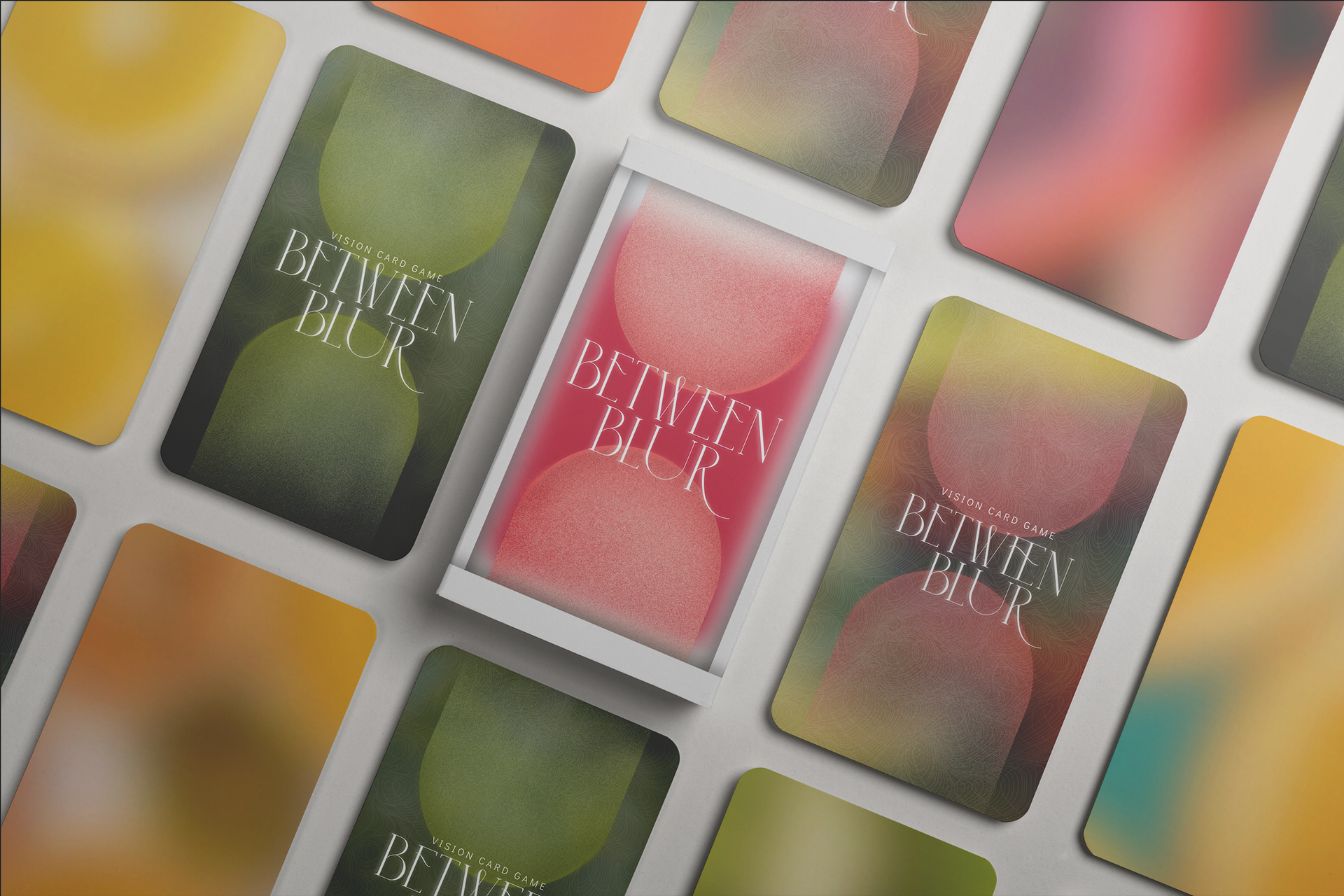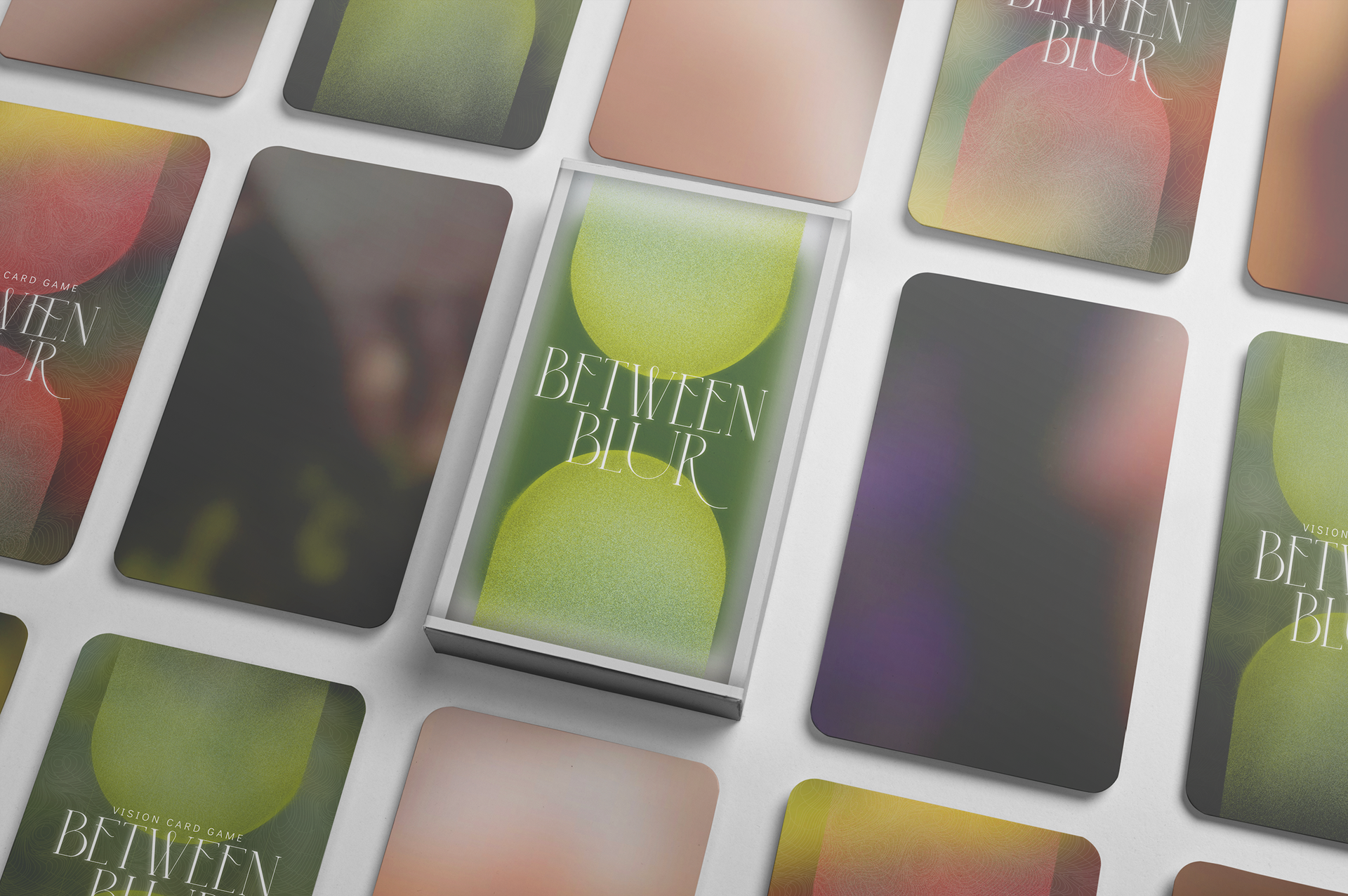
"What if the world was never clear, and our cognition and order were always constructed through blur? How would design change?"
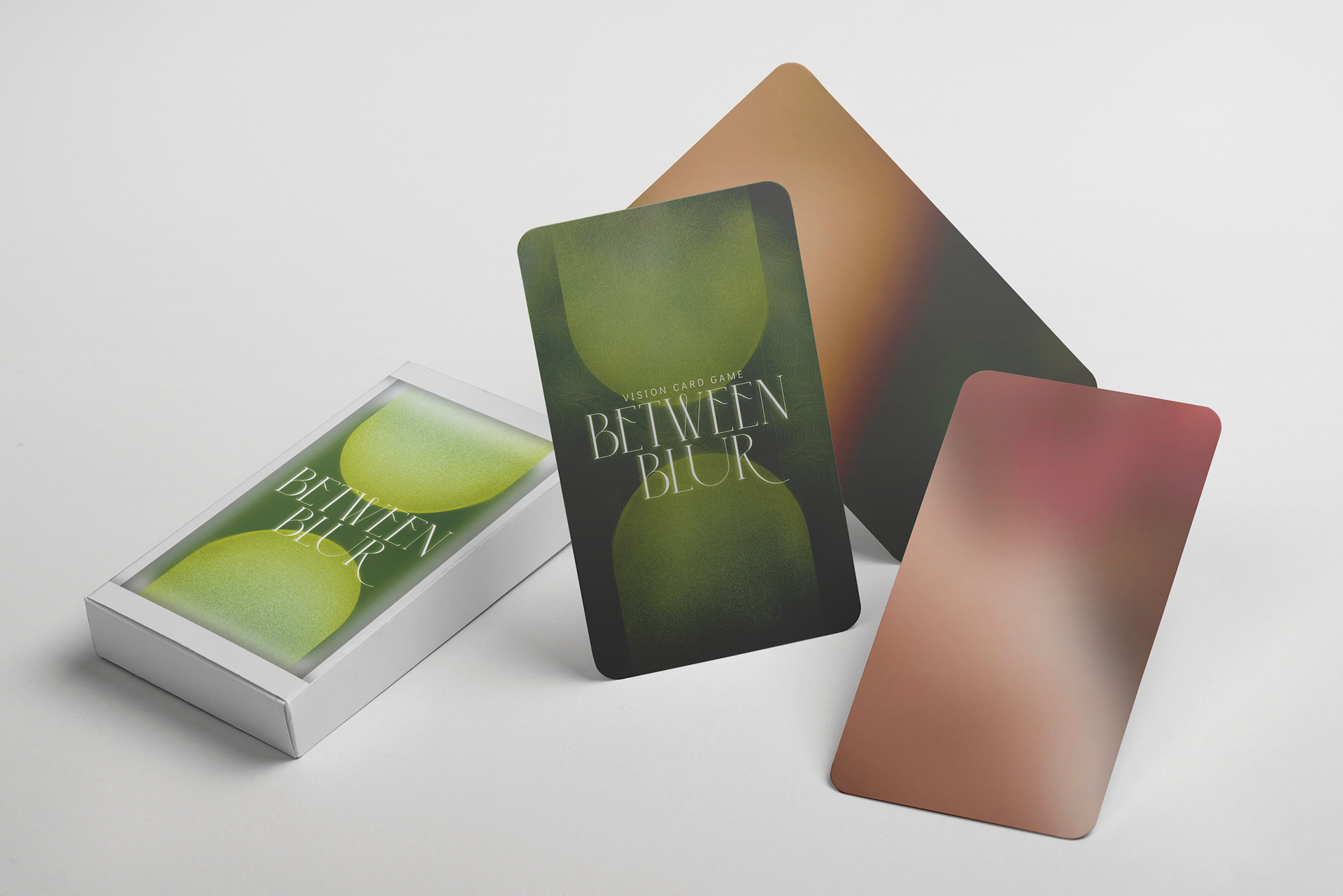
This thesis explores blur as both a perceptual condition and a design methodology. Traditionally, clarity has been upheld as the central value of visual communication and functional design. However, drawing on Merleau-Ponty’s phenomenology of perception and the aesthetic philosophy of wabi-sabi, this project asks: What if the world was never clear, and cognition was always constructed through blur? By examining blur as a symbolic, aesthetic, and experiential tool, the research proposes new frameworks for graphic, spatial, and product design.
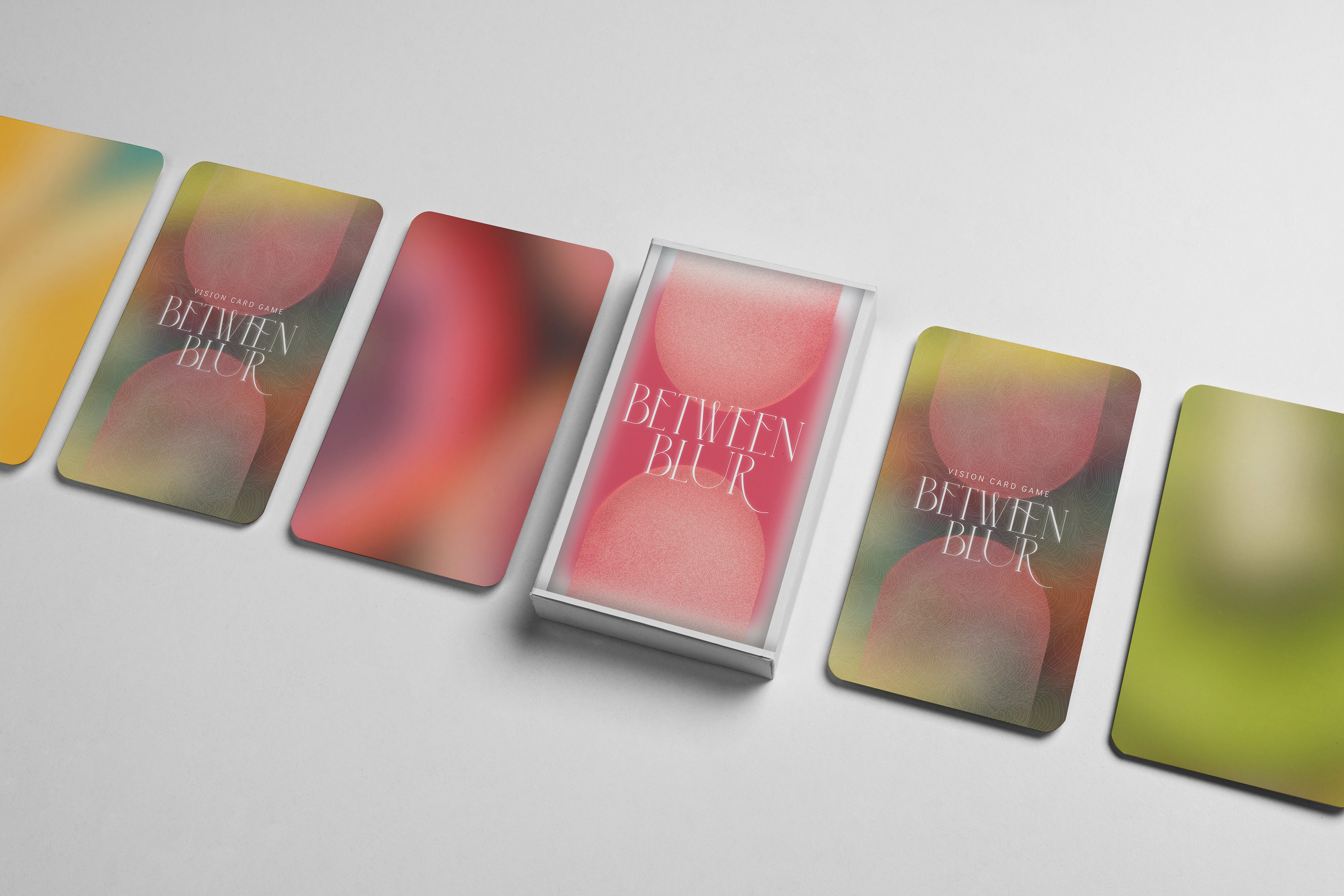
Perception is not passive reception but active construction through the body and senses (Merleau-Ponty, 1962). While clarity has historically been idealized in modernist design principles—seen in sharp typography, precise interfaces, and functionalist objects—blur represents a more authentic reflection of lived experience. Blur embodies uncertainty, memory, temporality, and anxiety, making it both a sensory and cultural metaphor. In the digital age, blur also signifies information overload, where excess knowledge paradoxically produces confusion.